




王翰的一生行迹(687-726)
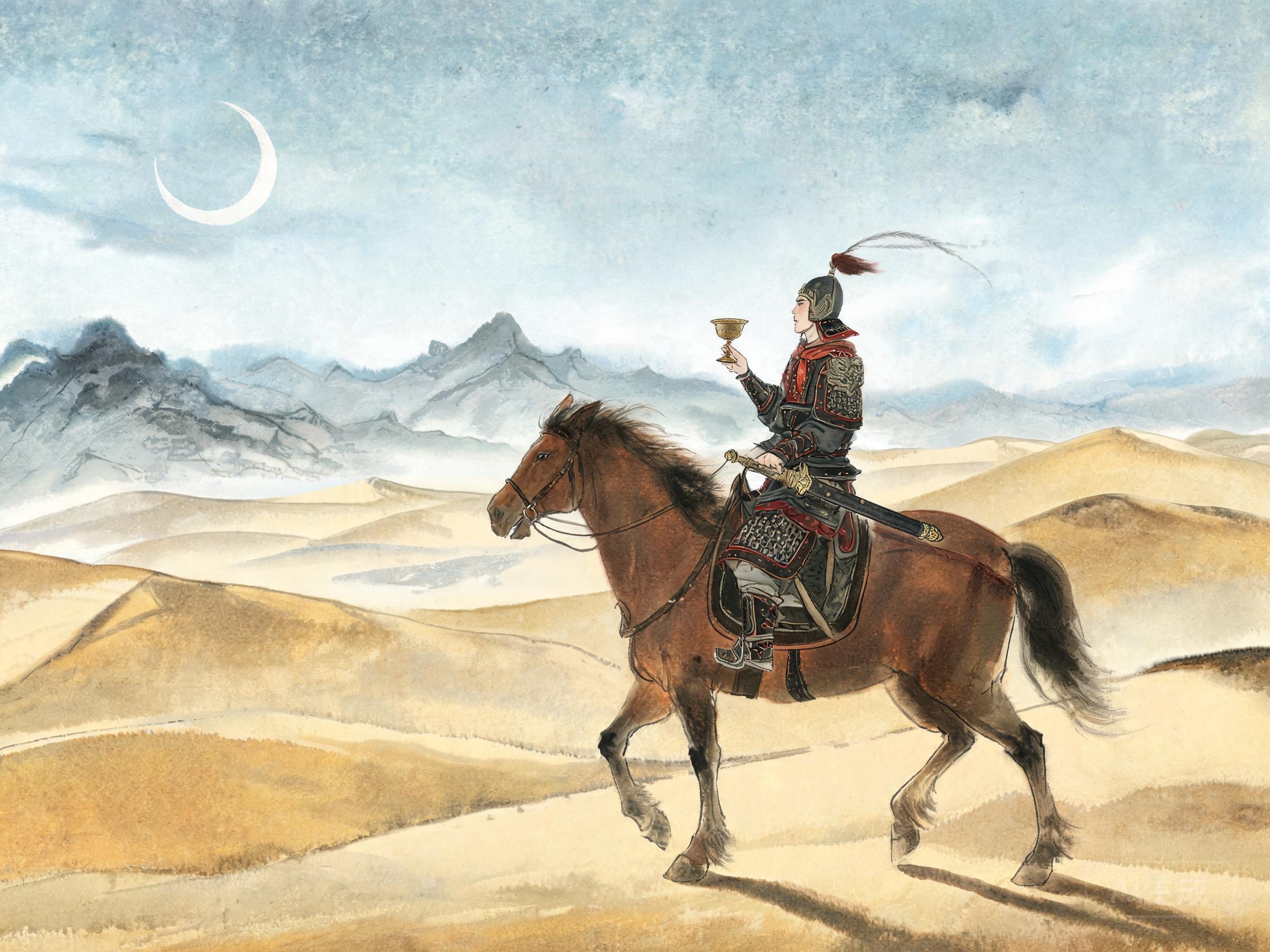
王翰(约687-726),字子羽,并州晋阳人,盛唐边塞诗人。景云元年进士,性豪荡不羁,家有声妓,纵酒自放。历受张嘉贞、张说赏识,官至驾部员外郎。张说罢相后连遭贬谪,卒于道州司马任上。《凉州词》二首雄视千古,王世贞推其"葡萄美酒夜光杯"为唐人七绝压卷。
晋阳(687) · 晋阳少年
武后垂拱三年(687年)前后,王翰出生于并州晋阳(今山西太原)。晋阳为李唐龙兴之地,地近边塞,民风尚武任侠。王翰少有才名,性情豪迈,"发言立意,自比王侯",少年即显露出不凡的气概。
并州(登第)(710) · 并州军幕
唐睿宗景云元年(710年),王翰进士及第。时张嘉贞任并州长史,素闻王翰才名,厚加礼遇。王翰作乐府词谱乐府歌伎,张筵高会,气象豪奢,自此声名动于并州。
并州(天兵军幕)(721) · 并州军幕
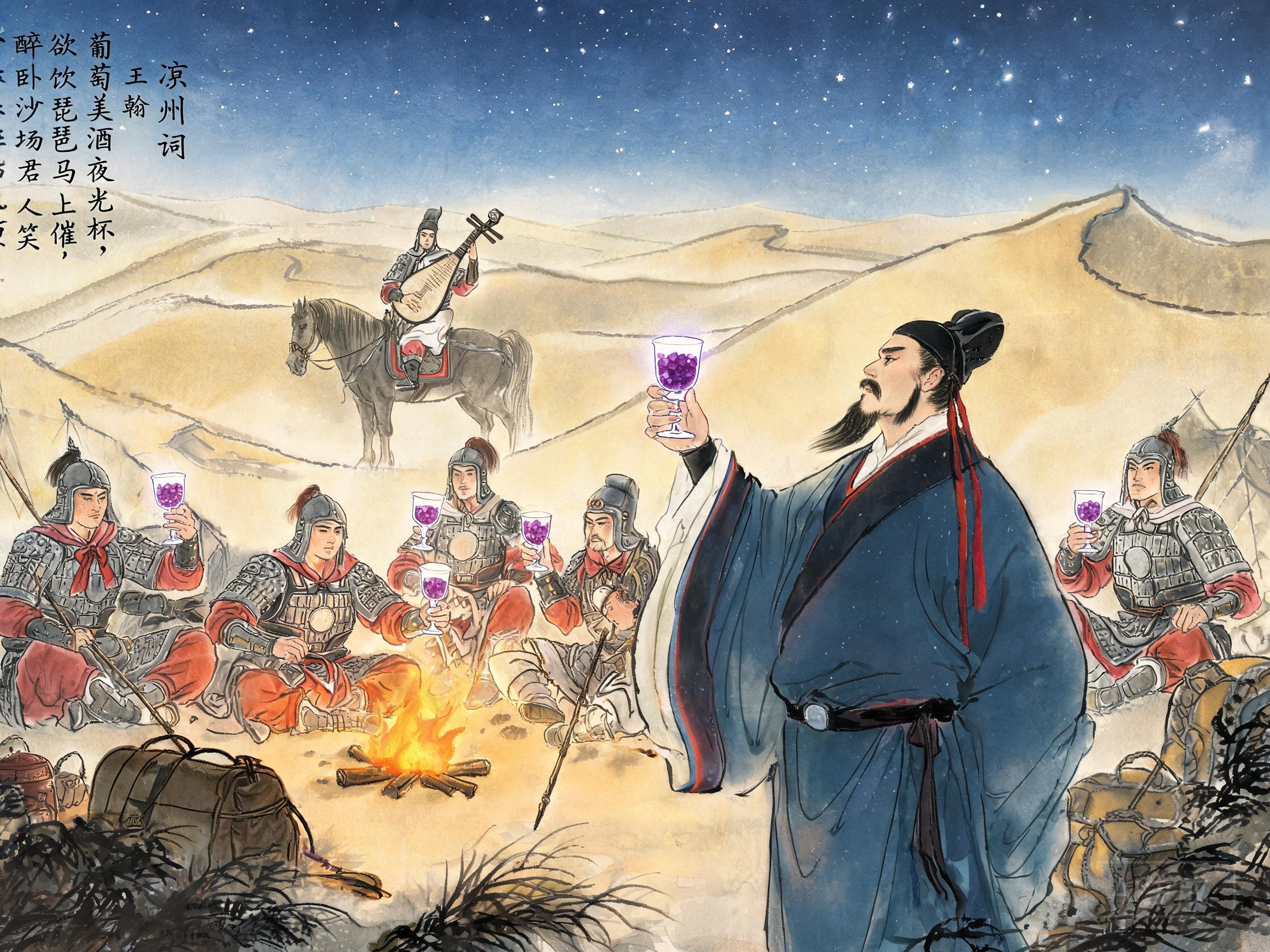
唐玄宗开元九年(721年),张说以兵部尚书出任并州长史、天兵军节度大使,检校边防。张说素爱王翰之才,招致幕中。王翰亲历军旅、观览塞上,写下千古绝唱《凉州词》。
长安(入朝)(722) · 京华清贵
唐玄宗开元十年(722年),张说入朝拜相,引荐王翰入朝为秘书正字,不久擢升通事舍人。王翰自塞上军幕步入长安官场,文名武略皆为时人所重,与王昌龄、祖咏等诗人交游唱和。
长安(驾部员外)(725) · 京华清贵
唐玄宗开元十三年(725年)前后,王翰官至驾部员外郎。他蓄养声妓、马厩多良驹,日与文士豪侠纵酒驰逐,为长安城中最负盛名的风流才子。殷璠《河岳英灵集》盛赞其诗"多杀敌之词"。
汝州(726) · 三贬南荒
唐玄宗开元十四年(726年),张说罢相,王翰失其奥援,出为汝州长史。自长安清贵之选骤迁外郡佐贰,王翰心境骤变。汝州地近嵩山,他于此回望京华,写下怀念长安的《凉州词》其二。
仙州(726) · 三贬南荒
唐玄宗开元十四年(726年),王翰自汝州长史改仙州别驾。他贬谪途中与友人祖咏等诗酒酬赠,犹不改其豪放本色。然而狂放愈甚,忌者愈众,终因"行为狂纵"再贬道州司马。
道州(726) · 三贬南荒
唐玄宗开元十四年(726年),王翰贬道州司马,行至湘南,不久卒于贬所,年仅四十岁左右。一代边塞诗宗客死蛮荒,然其《凉州词》已传诵天下,与王之涣、王昌龄诸作同垂不朽。
The Life Journey of Wang Han, the Drunkard of Liangzhou
Wang Han (c. 687-c. 726), of Jinyang near the frontier, was the wildest talent of the early Tang border-poets and the author of its most famous toast: 'Grape wine in cups of luminous jade — the pipa urges us to drink... Do not laugh at those who lie drunk on the battlefield — how many, since the old days, have ever come back from the wars?' A jinshi at twenty-three, favorite first of Zhang Jiazhen and then of the statesman Zhang Yue, the most splendid diner-out in Chang'an — and when his patron fell, three demotions in one year and death in the far south at about forty. One quatrain for a lifetime.
Timeline of the Journey
- 687 · Jinyang — Born in the Tang's northern stronghold where the people still carried swords to market: the boy who 'spoke of himself as a match for kings and dukes' — and was not entirely joking.
- 710 · Bingzhou — Jinshi at twenty-three; Zhang Jiazhen, governor at Bingzhou, treated him with extraordinary courtesy — answered with songs for the governor's banquets, sung by his own trained musicians: fame by extravagance.
- 721 · The Tianbing Army — Zhang Yue, taking military command of the north, took Wang Han into the headquarters: the frontier seen from the staff tent at last — and 'Liangzhou' written out of it, wine, war and pity in four lines.
- 722 · Chang'an — Zhang Yue to the chancellorship, Wang Han with him: secretary in the Palace Library, then interpreter-of-audiences — the poet of the frontier walking into the capital's business.
- 725 · Chang'an — At the height: Gentleman for the Stud, the best horses in his stables and the best singers in his house, racing and drinking with the capital's young literary blades — 'many poems of killing the enemy,' the anthologies noted.
- 726 · Ruzhou — Zhang Yue fell; the patronage fell with him. Out to Ruzhou as assistant prefect — the drop from capital elegance to river-town paperwork, the second 'Liangzhou' written looking back at Chang'an.
- 726 · Xianzhou — Then Xianzhou, then Daozhou — three demotions in a single year: the unreformed reveler making enemies faster than poems now.
- 726 · Daozhou — Dead in the far south at about forty, friend Zu Yong's farewell verses still in his baggage. 'How many have ever come back from the wars?' — Wang Han, who never went to one, answered it best.
'Do not laugh at those who lie drunk on the sand — how many, since the old days, have come back from the wars?' The most generous line in the border canon, from the life that least needed war to understand it.
与其仰望诗人的背影,不如亲自“走”一遍他们的路——宋词.中国「行迹漫游」让你化身马上行人,沿李白、杜甫、苏轼等57位诗人的真实迁徙路线策马而行:每过一站,触发一篇该地系年诗作;入夜之后,更有灯笼满城的诗意夜景。长安的城垣、夔门的江涛、黄州的赤壁,皆非示意图,而是诗人真实踏过的山河。行迹数据依诗人年谱与正史传记交叉考订,每站标注年号纪年与系年诗作,寓学于游。